Smart Lights: The Ultimate Guide to Smarter Living
5 months ago • 4 min read
Smart lights have come a long way from simple color-changing bulbs. In 2026, the biggest trend isn't just turning lights on with your phone, it's lighting that adapts to your mood, your schedule, and even your daily routine automatically. Thanks to Matter, Thread, AI-powered automation, and improved Apple Home integration, today's smart lights are becoming one of the most useful upgrades you can make to a smart home.
What Are Smart Lights?
Smart lights are internet-connected lighting products that can be controlled using apps, voice assistants, automations, and smart home platforms like Apple Home, Google Home, Alexa, and SmartThings.
Unlike traditional bulbs, smart lights can:
- Change brightness
- Adjust color temperature
- Display millions of colors
- Run schedules
- Respond to motion sensors
- Integrate with other smart home devices
Modern smart lights are also becoming more energy-efficient and easier to set up than ever before.
Why Are Smart Lights More Popular Than Ever?
The smart lighting market continues to grow rapidly as homeowners prioritize convenience, energy savings, and automation. Newer smart lights are increasingly supporting Matter, making them easier to use across multiple ecosystems without being locked into a single platform.
Why People Love Smart Lights?
- Energy-efficient LED technology
- Voice control with Siri, Alexa, and Google Assistant
- Improved home security
- Better sleep and wellness routines
- Simple automation
- Cross-platform Matter support
Product Recommendation
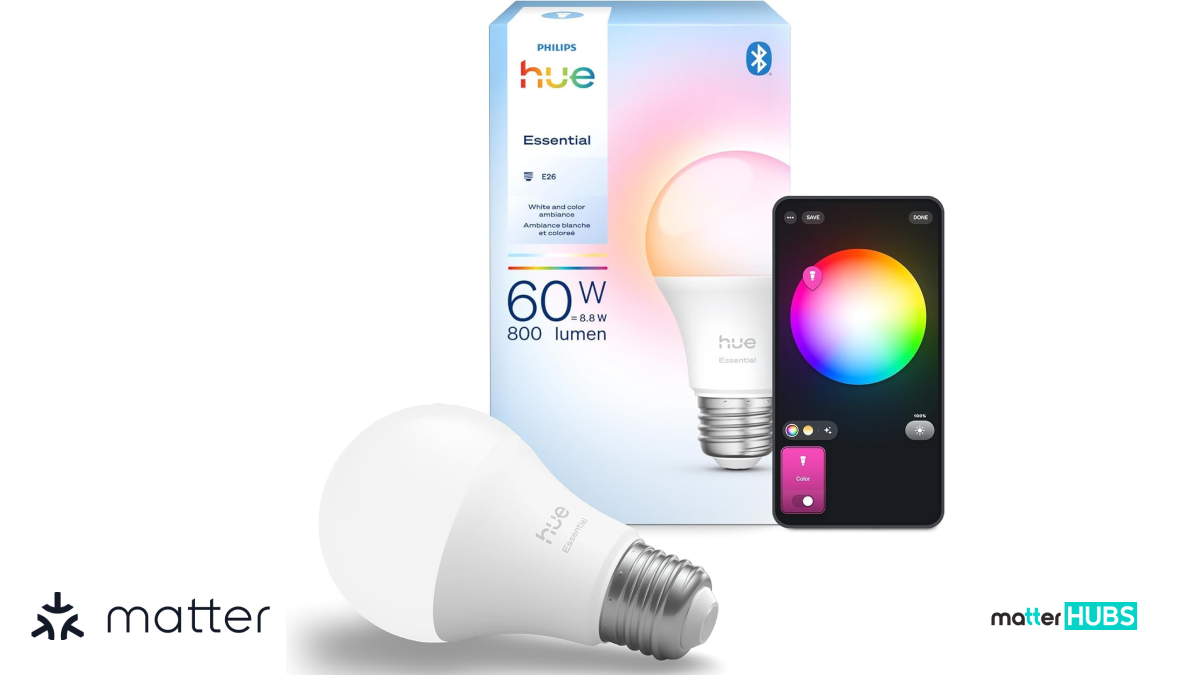
Key Features
- Extensive smart lighting ecosystem
- Matter support
- Excellent automation
- Entertainment lighting features
Pros
- Premium performance
- Huge product range
- Excellent reliability
Cons
- Higher cost than competitors
What Are the Biggest Smart Lighting Trends in 2026?
Matter Is Becoming the New Standard
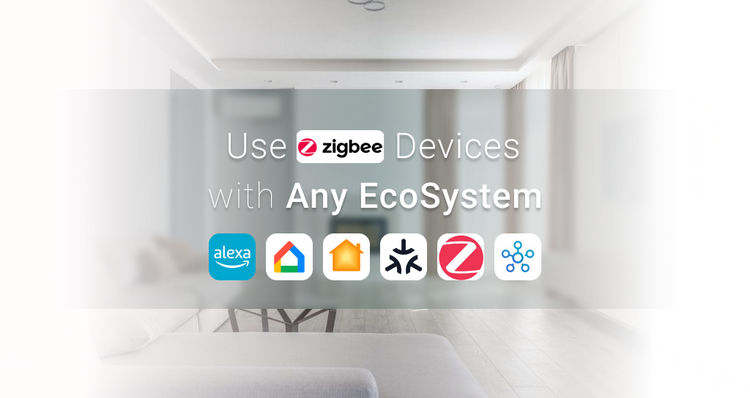
One of the biggest changes in smart lights is the rise of Matter support. Matter allows smart lights to work across Apple Home, Google Home, Alexa, and SmartThings more easily than before. This means you can buy smart lights without worrying as much about ecosystem compatibility.
Adaptive and Circadian Lighting
Many smart lights now adjust brightness and color temperature automatically throughout the day.
Benefits Include
- Better sleep quality
- Reduced eye strain
- Improved focus
- More natural lighting experiences
Human-centric lighting is becoming one of the most requested features in modern smart homes.
AI-Powered Smart Lights
Manufacturers are starting to introduce AI-powered lighting systems that learn your habits and adjust automatically.
What AI Lighting Can Do
- Predict lighting preferences
- Adjust brightness automatically
- Adapt to room usage
- Respond to natural language commands
Companies like Govee are investing heavily in AI-driven smart lights and adaptive lighting technologies.
What Should You Look for When Buying Smart Lights?
Matter Support
Future-proof smart lights should support Matter whenever possible.
Brightness
Most smart lights range between:
- 800 lumens (standard)
- 1100+ lumens (high brightness)
Color Options
Choose between:
- Tunable white
- RGB color-changing
- Entertainment lighting
Ecosystem Compatibility
Make sure your smart lights support:
- Apple Home
- Google Home
- Alexa
- SmartThings
Are Smart Lights Worth It?
For most homeowners, absolutely.
Benefits of Smart Lights
- Lower energy consumption
- Better home security
- Easier automation
- More convenience
- Enhanced ambiance
Modern smart lights use significantly less energy than traditional bulbs while offering far greater control and customization.
Which Smart Lights Work Best with Apple Home?
If you're building an Apple smart home, the best smart lights are typically:
- Philips Hue
- Nanoleaf Essentials
- IKEA Matter Lights
- Matter-compatible Govee products
These smart lights offer excellent Apple Home integration while also supporting Matter for future flexibility.
Can Smart Lights Improve Home Security?
Yes. One of the most practical uses of smart lights is security automation.
Examples
- Turn lights on when motion is detected
- Simulate occupancy while traveling
- Schedule lighting routines
- Connect lights to security systems
Many homeowners consider smart lights one of the easiest ways to improve home security without major upgrades.
What Is the Future of Smart Lights?
The future of smart lights is moving toward:
- AI-powered automation
- Matter-first ecosystems
- Human-centric lighting
- Better local control
- Energy optimization
Smart lights are no longer just accessories — they're becoming a central part of modern smart home automation.
Final Thoughts
Smart lights have evolved from novelty gadgets into essential smart home devices. Thanks to Matter support, improved Apple Home integration, AI-powered automation, and adaptive lighting, there has never been a better time to upgrade. Whether you're looking for premium options or innovative lighting today's smart lights offer more flexibility and functionality than ever before.
FAQs
Philips Hue, Nanoleaf Essentials, Govee, and IKEA Matter smart lights are among the most popular options.
Not always. Many modern smart lights connect directly using Wi-Fi, Thread, or Matter.
Matter smart lights are generally more future-proof because they work across multiple smart home ecosystems.
Philips Hue, Nanoleaf Essentials, IKEA Matter lights, and many newer Govee products work well with Apple Home.
Yes. Smart lights provide convenience, automation, energy savings, and improved smart home integration.