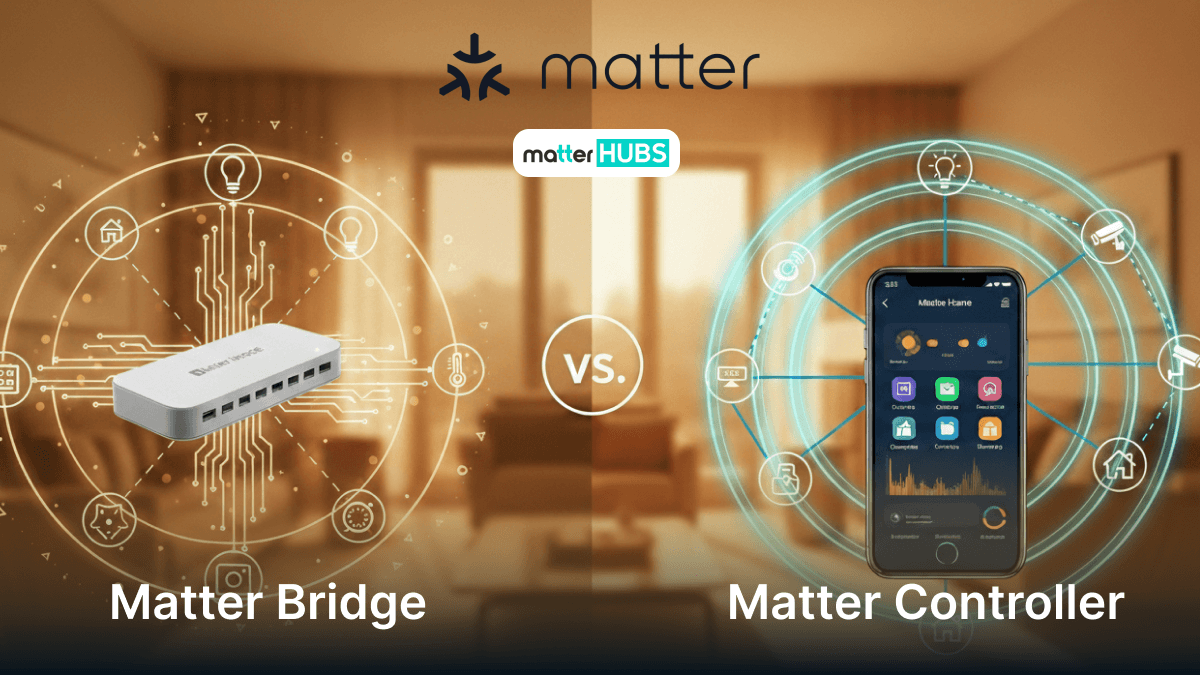
Why Matter Home Automation Is the Future of Smart Homes
5 months ago • 6 min read
Matter home automation is turning smart homes into what they were supposed to be from the start, simple, connected, and frustration-free. If you’re tired of compatibility issues, this is the breakthrough you’ve been waiting for. In this article you will find out why Matter automation is a must in your smart home.
What Is Matter Home Automation?
Matter home automation is an industry unifying smart home standard that allows devices from different brands such as Apple, Google, Amazon, and Samsung to work together seamlessly.
Developed by the Connectivity Standards Alliance, the matter standard uses Internet Protocol to enable secure, local communication between devices over Wi-Fi and Thread.
This means your smart home devices can communicate directly with each other without relying heavily on the cloud, making your system faster, more reliable, and more secure.
Key Concepts
- Works across Apple Home, Google Home, Alexa, and SmartThings
- Uses Wi-Fi and Thread for communication
- Supports local control instead of cloud dependency
- Designed for interoperability and future scalability
Why Matter Home Automation Is Important?
Key Benefits
- Interoperability
- Matter certified smart home devices work across all major ecosystems without needing brand specific apps.
- Local Control
- Devices operate within your home network, which means:
- Easy Setup
- QR code onboarding
- Bluetooth based setup
- Standardized process across brands
- Security
- End-to-end encryption
- Secure device authentication
- Reduced cloud exposure
- Faster response times
- Works even without internet
- More reliable automation
How Matter Home Automation Works?
Core Technologies
- Wi-Fi → for high bandwidth devices (cameras, hubs)
- Thread → for low power devices (sensors, switches)
- IP-based communication → universal device language
Thread Border Routers
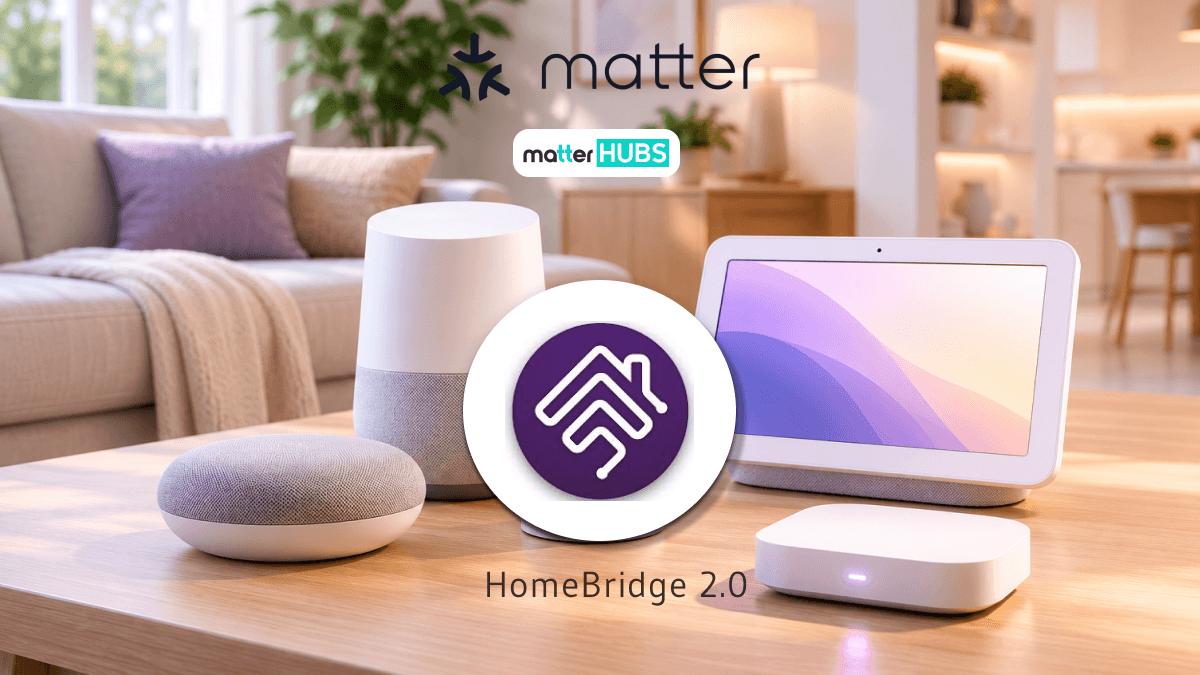
Many modern smart home hubs act as Thread border routers, which connect Thread devices to your home network. Examples include:
- Apple HomePod
- Google Nest Hub
- Amazon Echo devices
Matter Bridges
Older devices that don't support Matter can still be integrated using Matter bridges. This allows:
- Zigbee devices
- Bluetooth devices
- Proprietary ecosystems
to work inside your Matter smart home setup.
If you want a deeper understanding of how bridge-based integrations work, check out this guide on Matter Bridge solutions for non-Matter devices
Best Matter and Thread Hubs for You
1. Philips Hue Bridge [Our Recommendation]
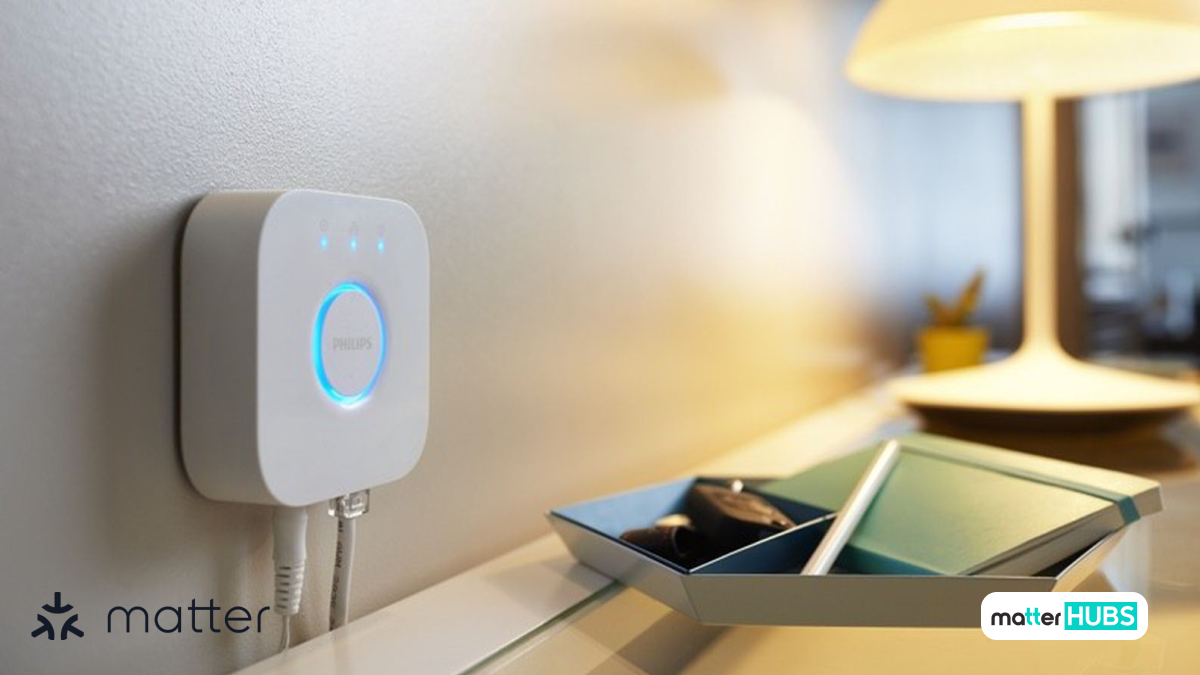
The Philips Hue Bridge is a central hub designed to control and manage Philips Hue lighting systems within a smart home environment. It enables seamless automation, remote access, and integration with multiple ecosystems, making it a reliable choice for expanding a matter home automation setup.
Key Features
- Supports Zigbee based Philips Hue devices
- Works with Apple Home, Google Home, and Alexa
- Enables automation, scenes, and remote control
Pros
- Stable and reliable lighting control
- Wide compatibility with smart home platforms
- Strong ecosystem with a large range of devices
Cons
- Limited mainly to Philips Hue products
- Requires the Hue app for advanced features
2. SwitchBot Hub Mini
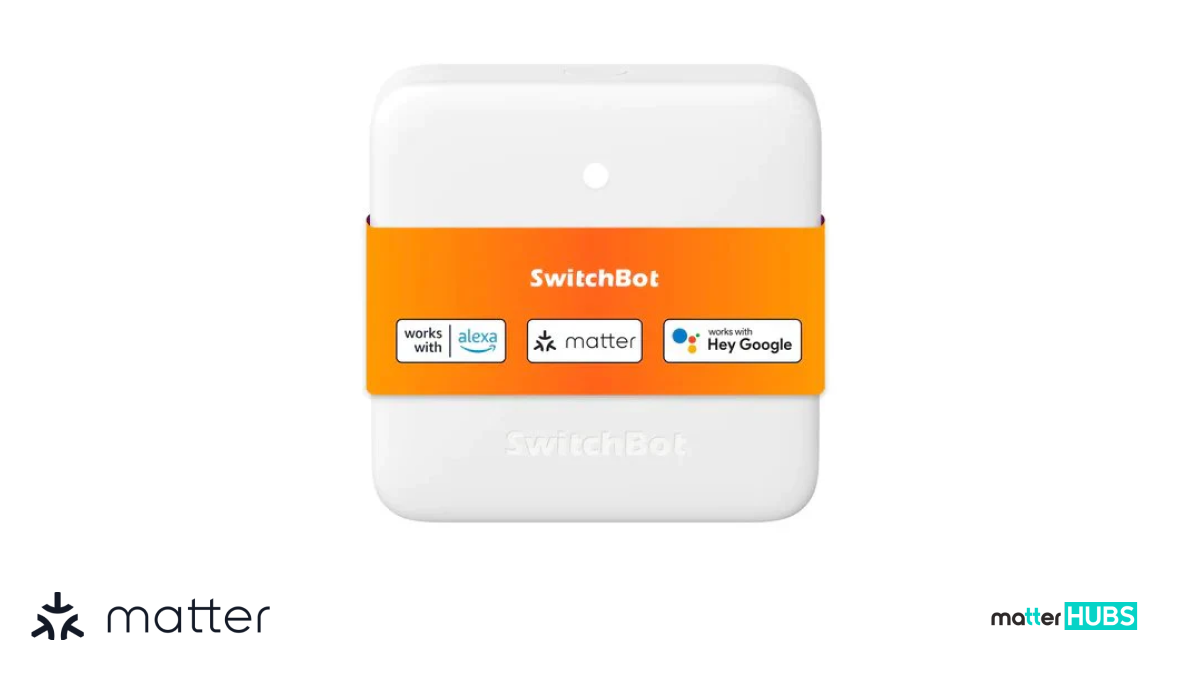
The SwitchBot Hub Mini (Matter enabled version) is a compact and versatile hub that bridges infrared devices and smart home ecosystems into a unified system. It is ideal for users looking to bring traditional appliances into a matter smart home environment.
Key Features
- Matter support for cross platform integration
- Infrared control for TVs, AC units, and remotes
- Works with Alexa, Google Home, and Apple Home
Pros
- Adds smart control to non smart appliances
- Affordable and easy to set up
- Expands compatibility beyond typical smart devices
Cons
- Limited advanced automation features
- Requires cloud connection for some functions
3. Aqara Hub M3
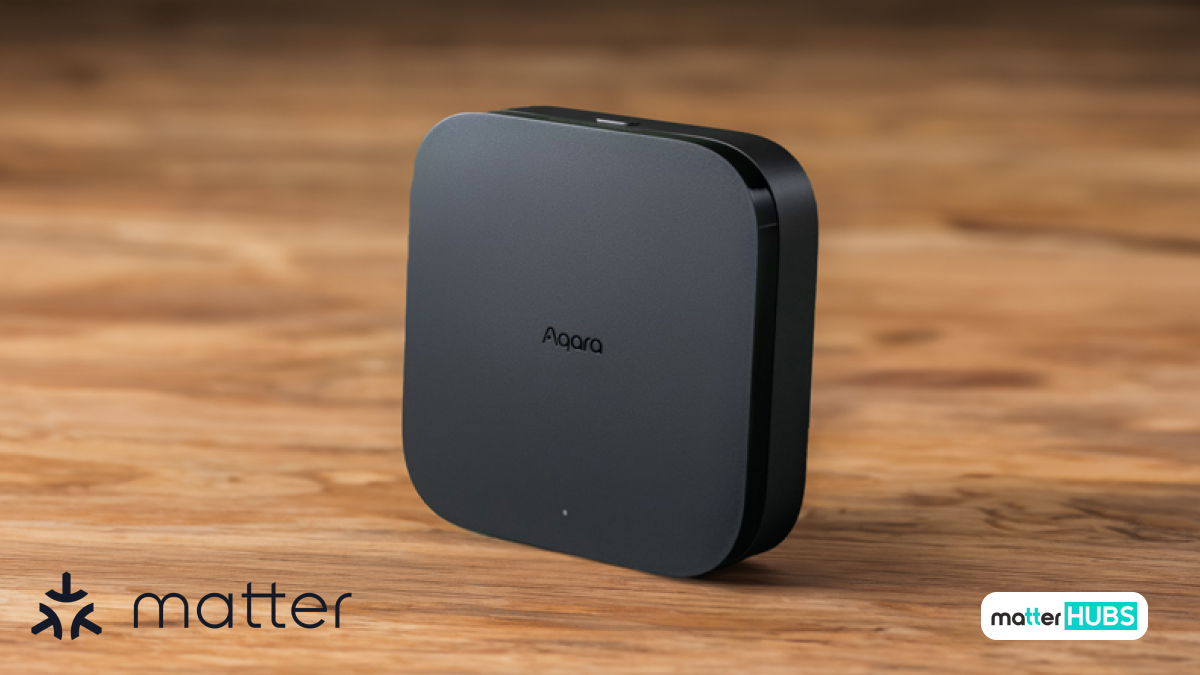
The Aqara Hub M3 is an advanced smart home controller designed for modern matter home automation systems. It supports multiple protocols and enables powerful local automation, making it a strong choice for users building a future ready smart home.
Key Features
- Native Matter support
- Zigbee hub for Aqara devices
- Local automation and processing
Pros
- Fast and reliable local control
- Strong ecosystem for sensors and automation
- Future proof with Matter compatibility
Cons
- Best performance within Aqara ecosystem
- Some features may require Aqara app
What Devices Work with Matter Home Automation?
Supported Device Categories
- Smart lights
- Smart plugs
- Smart locks
- Sensors
- Thermostats
- Smart hubs
- Switches
These devices form the growing ecosystem of connected home devices powered by Matter.
Which Platforms Support Matter Smart Homes?
Apple
- Apple Home app integration
- Works with Siri and automation
- Supports Thread based devices
- Nest devices act as Matter controllers
- Works through Google Home
Amazon
- Echo devices support Matter
- Voice control via Alexa
What Is the Role of Matter IoT in Smart Homes?
The term Matter IoT refers to how Matter connects Internet of Things devices into one ecosystem.
Key Advantages
- Unified communication layer
- Reduced fragmentation
- Better scalability
Matter is essentially becoming the backbone of modern smart home systems.
What Are the Best Matter Smart Home Devices?
Smart Hubs & Controllers
- Aqara Hub (Matter + Thread support)
- SwitchBot Hub (bridge + controller)
- Home Assistant SkyConnect
Smart Lighting & Switches
- Sengled Matter Bulbs
- SONOFF Matter Switches
Smart Plugs
- TP-Link Tapo Matter Plug
Want to choose the right hub for your setup with these devices? This guide on the Best Matter-enabled Thread hubs of 2026 will help you decide.
What Are the Current Limitations of Matter Home Automation?
Even though Matter is transforming the smart home industry, it is still in an evolving stage. Understanding its limitations will help you set realistic expectations when building a matter home automation setup.
- Not All Devices Support Matter Yet
- While adoption is growing fast, a large number of existing smart home devices are still not Matter compatible.
- Some Advanced Features Are Still Ecosystem Specific
- Even when devices support the matter smart home protocol, not all features are fully shared across platforms.
- Bridges Are Still Required for Older Devices
- Many users already own devices that do not support Matter and replacing them is not always practical.
- Compatibility Is Improving, But Not Complete
- The matter smart home standard is expanding with every update, but full ecosystem compatibility is still a work in progress.
- Many older devices (especially Zigbee, Z-Wave, and Wi-Fi-only devices) may not work natively
- Some brands have not released Matter updates yet
- You may need to check compatibility before purchasing new devices
- Basic controls (on/off, status, automation) usually work
- Advanced features may still require the original app
- Full functionality depends on the ecosystem you use
- Matter bridges allow older devices to connect to a Matter ecosystem
- Common examples include Zigbee hubs, Homebridge setups, and smart home controllers
- You can keep using your existing devices
- Hybrid setups (Matter + bridges) are very common
- Full "Matter only" smart homes are still rare
- More devices will become compatible over time
- Firmware updates may unlock Matter support
- Future setups will be much simpler than today
What Does the Future Look Like for Matter Smart Homes?
What to Expect
- More device categories supported
- Better performance and stability
- Reduced need for bridges
- Fully unified smart home ecosystems
Matter is not just improving smart homes; it's making them finally work as intended.
Conclusion
Matter home automation is solving the biggest problem in smart homes, compatibility. By enabling devices from different brands to work together seamlessly, it creates a more reliable, flexible, and future proof system. If you are building or upgrading your smart home, adopting the matter smart home standard is one of the most important steps toward a fully connected experience.
FAQs
Matter home automation is a system where smart devices use a universal protocol to work together across different platforms.
No, but the number of supported matter smart home devices is increasing rapidly.
Yes, most setups require a Matter controller such as a HomePod, Echo, or Nest Hub.
Matter focuses on interoperability, while Zigbee and Z-Wave are communication protocols.