Understanding Matter 1.4 for Smart Home Automation
19 hours ago • 6 min read
Matter 1.4 might not be your newest head grabbing release on Matter standard anymore. But it remains a critical foundation of the modern smart home. Even after the release of Matter 1.5, Matter 1.4 continues to shape Matter IoT and Matter smart home devices. Rather than focusing on what’s new, this article, let's look into how Matter 1.4 works today, and why it still matters for home automation.
What Matter 1.4 Is and Why It Still Matters?
Built on the Matter protocol, Matter 1.4 is a version of the Matter standard, an open-source, IP-based connectivity framework designed to unify the smart home industry. Built on the Matter protocol, it enables devices from different brands to work together locally, securely, and reliably.
Unlike earlier fragmented ecosystems, Matter 1.4 emphasizes:
- Local control instead of cloud dependency.
- Secure device-to-device communication.
- Cross-platform compatibility.
Even today, many Matter compatible products on the market are certified against Matter 1.4 or build directly on its capabilities. This makes Matter 1.4 a baseline version for a huge portion of the current Matter smart home devices ecosystem.
For users, that means stability. Matter 1.4 isn’t experimental; it’s proven, supported, and deeply integrated into real-world home automation setups.
If you want a better read about How Does Matter Smart Home Protocol Works? You are one, click away.
Matter 1.4 and the Matter IoT Architecture?
One of the strongest aspects of Matter IoT under Matter 1.4 is its clean, layered architecture. Matter is designed to run over IP networks, using technologies like Ethernet, Wi-Fi, and Thread. This makes Matter 1.4 highly adaptable to different smart home environments.
Key architectural strengths of Matter 1.4 include:
- IP-first design-allowing direct communication between Matter devices.
- Local networking-reducing latency and improving reliability.
- Strong security model-including device attestation and encrypted sessions.
Because of this structure, Matter 1.4 fits naturally into modern smart home networks without requiring proprietary bridges for every brand. Whether you’re using lights, sensors, plugs, or controllers, Matter 1.4 provides a consistent way for Matter smart home devices to interact.
This architecture is one reason the Matter protocol is now widely viewed as the long-term backbone of smart home connectivity.
IOT things have come a long way, and now they are upgraded to be Matter compatible. Find out more about the Best Matter IoT Devices!
Matter Devices and Real-World Compatibility
What you and all smart home users want to know is, how will it work with my setup? With Matter 1.4, the answer is usually yes as long as the device is Matter compatible and certified.
Matter 1.4 supports a various list of device categories,
- Smart lighting and switches.
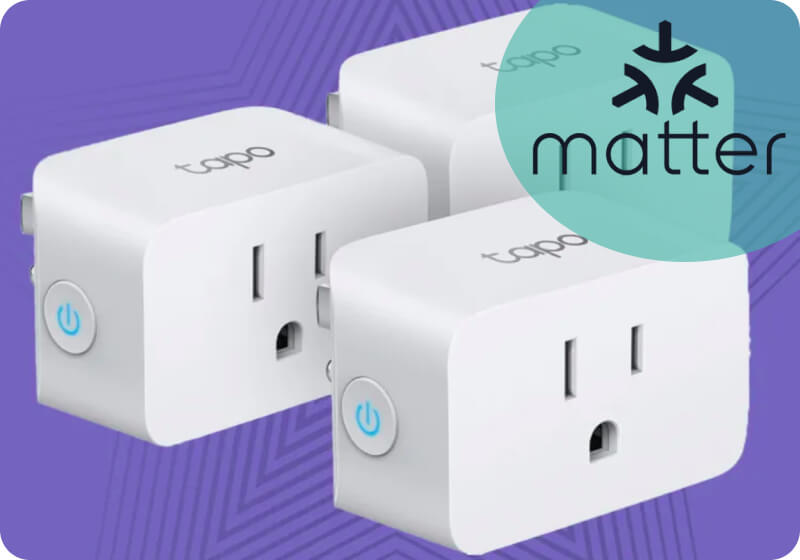
- Smart plugs and outlets.
- Sensors (motion, contact, temperature).
- Smart locks and basic controllers.
Most Matter compatible products you see today are designed to work across ecosystems. A single Matter 1.4 device can often be controlled by multiple platforms at the same time, which is a huge shift from older smart home models.
This multi-admin capability is especially valuable for households using more than one ecosystem, making Matter 1.4 a practical choice for flexible home automation.
Matter 1.4 and Matter HomeKit Integration
One of the biggest drivers of Matter adoption has been its relationship with Apple’s ecosystem, often referred to as Matter HomeKit support. While Matter does not replace HomeKit, it allows Apple Home to work seamlessly with Matter-certified devices.
With Matter 1.4, users benefit from:
- Easy onboarding of Matter devices into Apple Home.
- Local control through Apple Home hubs.
- Apple’s privacy and security model layered on top of Matter.
For Apple users, Matter HomeKit compatibility means they no longer need to worry about whether a device is “HomeKit-only.” If it’s Matter 1.4 certified, it can usually be added directly to the Apple Home app.
This same principle applies across other platforms as well, reinforcing Matter 1.4’s role as a universal smart home language rather than a competing ecosystem.
Matter 1.4 in Modern Home Automation Setups
In today’s home automation environments, Matter 1.4 often acts as the common ground between different technologies. It doesn’t replace automation platforms, but it makes them work better together.
Typical real-world uses of Matter 1.4 include:
- Running automations locally without internet access.
- Mixing brands without compatibility headaches.
- Reducing reliance on proprietary hubs.
For advanced users, Matter 1.4 pairs well with automation engines that build logic on top of Matter devices. For beginners, it simplifies setup and reduces long-term maintenance.
Even as newer Matter versions emerge, Matter 1.4 remains highly relevant because:
- Many devices still target it as a minimum requirement.
- Platforms continue to support it fully.
- Stability is often more important than experimental features.
In practice, a well-built smart home running on Matter 1.4 can feel just as modern and responsive as systems using later versions.
More Like This:
The Long-Term Role of Matter 1.4 in the Matter Standard
Looking at the broader Matter standard, Matter 1.4 represents a maturity point. It’s where Matter transitioned from promise to real-world reliability. Many manufacturers aligned their product strategies around this version, making it a long-term reference for certification and support.
As the Matter protocol continues to evolve, Matter 1.4 serves as:
- A compatibility anchor for older and newer devices.
- A stable foundation for cross-platform smart homes.
- Proof that opens standards can succeed in consumer IoT.
For consumers and integrators alike, understanding Matter 1.4 helps set realistic expectations. It’s not about chasing the latest version number; it’s about building a Matter compatible, dependable, and scalable smart home.
Matter 1.4 Unified Controls in Custom Apps
- Matter 1.4 makes it possible for developers and system integrators to build custom applications that control multiple Matter smart home devices through a single, unified interface.
- Thanks to this feature, you don't have to solely rely on a platform-specific app when using matter devices. These customs apps will enable you to directly communicate with Matter devices, enabling consistent control.
- All your Matter, compatible devices such as lighting, locks, sensors, and other devices can be managed with these apps. This improves responsiveness locally and reduces dependence on cloud services.
- This approach fits naturally into modern home automation systems, where reliability, security, and flexibility are essential. By leveraging the Matter standard, custom apps can also coexist with platforms like Matter HomeKit, allowing users to control the same devices from multiple environments without conflicts.
Final Thoughts
Matter 1.4 supports a wide range of Matter smart home devices, integrates smoothly with Matter HomeKit, and delivers the original promise of unified home automation. If your goal is a reliable, future-ready smart home, Matter 1.4 is not outdated as it’s established. And in the fast-changing world of smart home technology, stability is a major advantage.
FAQs
Matter is designed to bring smart home ecosystems together. It does not replace existing technologies like Zigbee, but instead works alongside them to improve cross-platform compatibility.
Yes. When you add a Matter device to Google Home, it joins the same network as your Google device acting as a Matter hub, allowing you to control it seamlessly within the Google Home app.
Matter 1.5 is the newest version of the Matter standard. It introduced major updates, including official support for camera streaming and expanded device compatibility.
If you have an iPhone running iOS 18 or later, you can add certain Matter devices directly through the Apple Home app. However, for full functionality and automation, a compatible Matter controller or hub is generally recommended.